Cover: turn any recording into a finished song
Sing, hum, beatbox or attach a rough draft, and Cover turns it into a fully produced song that keeps your melody.
By Mozart Team3 min read
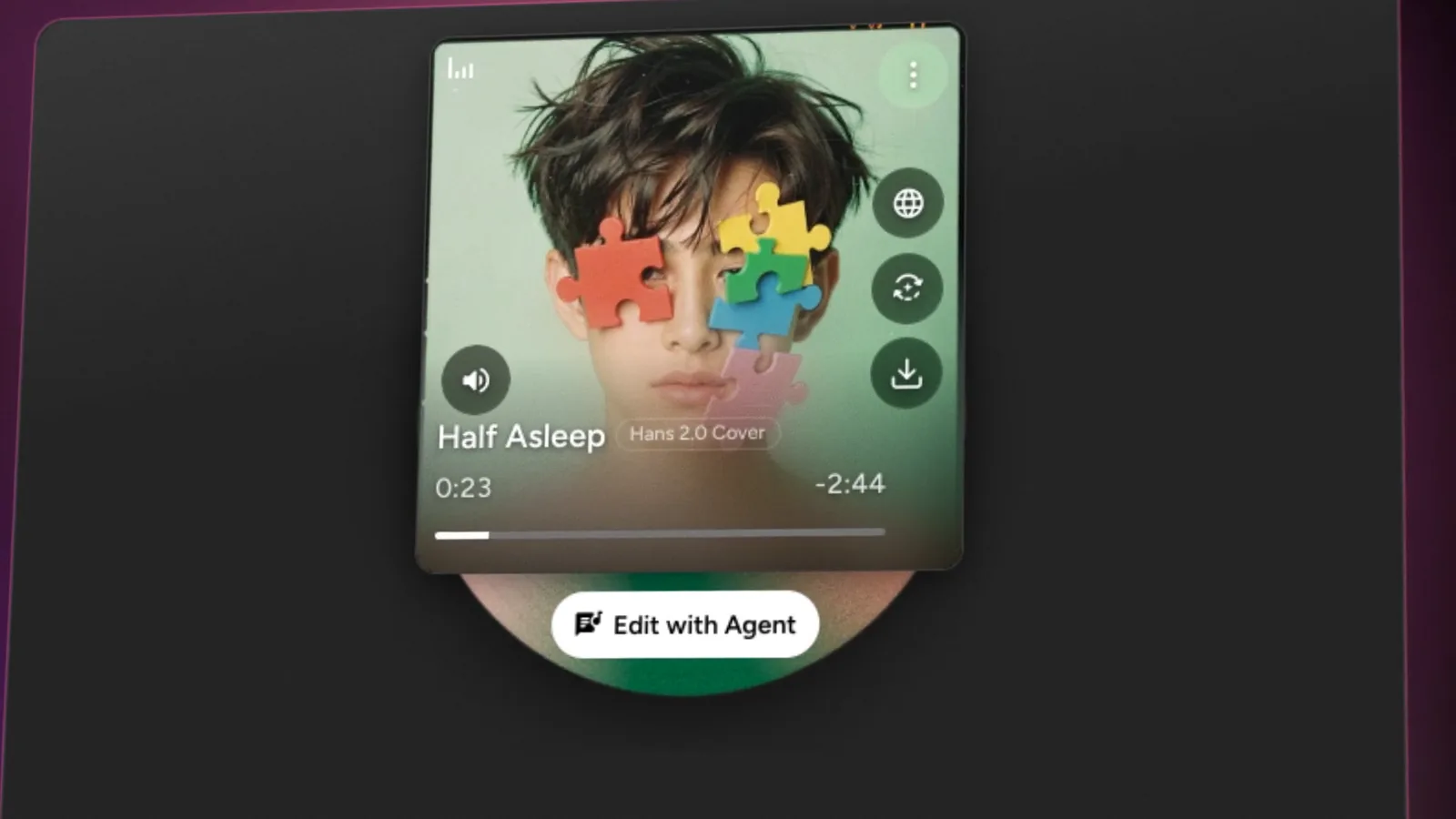
On 4 September 2026 we launched Cover publicly. It had been in early access on paid plans since 20 August. Most of Mozart starts from words. Cover starts from a sound you make.
What it is
Cover takes a recording and reimagines it as a fully produced song. The recording can be almost anything: you singing into your phone, a hummed tune, a beatboxed rhythm or a rough demo from an old hard drive. Mozart keeps the melody and builds the production around it. If your recording has words, Cover carries the lyrics over.
Our launch video showed how far a small sound can go. Singing, humming, beatboxing and even a pencil tapped on a desk each became a full song.
Cover has its own place on Home, with a shelf of sounds you can cover and a feed of covers that other people have published. In the model picker it appears as Hans 2.0 Cover.
What you can do with it
- Open Cover from Home, or choose "Cover this song" on a published song.
- Add your source. Record straight into Mozart, upload a file, or pick a song from your Library.
- Describe the style you want, such as "warm indie folk with brushed drums". This step is optional.
- Write new lyrics if you want different words. Otherwise the words from your recording are kept.
- Generate and listen. Try another style to hear the same idea a different way.
Some details that are useful to know today:
- A style description can be up to 1,000 characters, and new lyrics up to 5,000.
- Long recordings are fine. Cover uses the first 230 seconds.
- If you publish music on Mozart, the Allow Covers switch on each song lets you decide whether other people can cover it.
- On Discover you can compare an original with its cover.
Cover works on the web and in the iPhone app. It is part of paid plans and still carries an early access label.
Who it is for
Cover is for singers and songwriters whose phones are full of voice memos. It is for instrumentalists who can play a riff and have never produced a track. It is for people who do not play anything and can hum a tune. Producers use it too, to hear one demo in three styles before they commit to a direction.
The common thread is that the idea already exists as sound. Describing a melody in words is hard. Singing it takes a few seconds.
What came next
- On 21 September 2026, attaching your own audio began to work for more file types: WhatsApp voice notes, iPhone M4A recordings, AAC, FLAC, OGG, Opus and WebM, alongside MP3 and WAV.
- On 13 November 2026, published songs became open to covers and remixes by default. You can still turn that off for any song, and song owners are notified when someone remixes their work.
- On 18 November 2026, the Library gained filters you can combine, including one that shows only your covers and remixes.
Put your next idea into music.
Bring a brief, a melody or a new direction to Mozart.
Create with MozartKeep reading
Engineering
A Unified Audio Engine
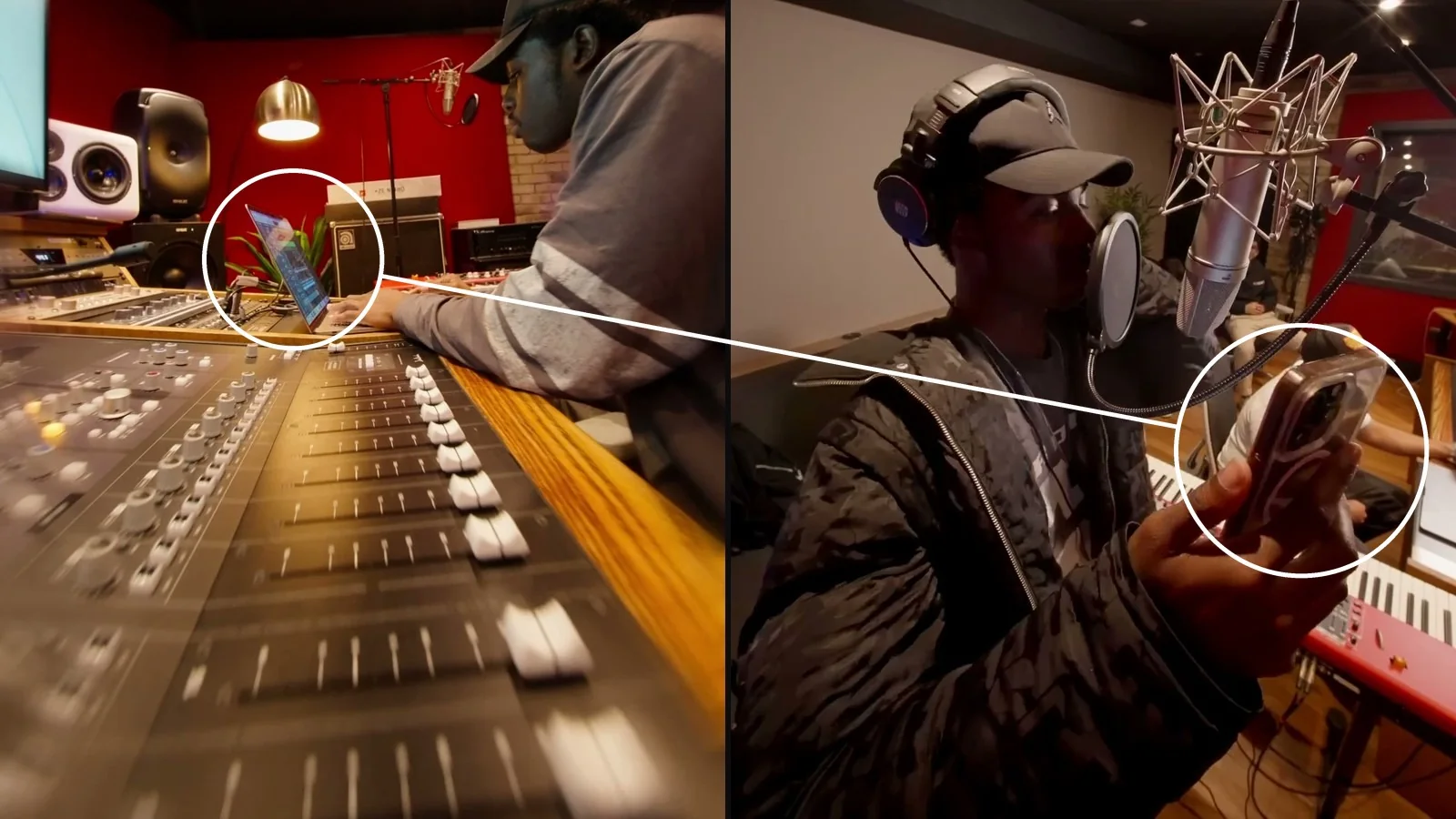
Mozart's audio engine is one C++ codebase that runs as WebAssembly in the browser, natively in Scout and natively on iPhone.
Product
Mozart on the web in nine more languages, with notifications in your browser
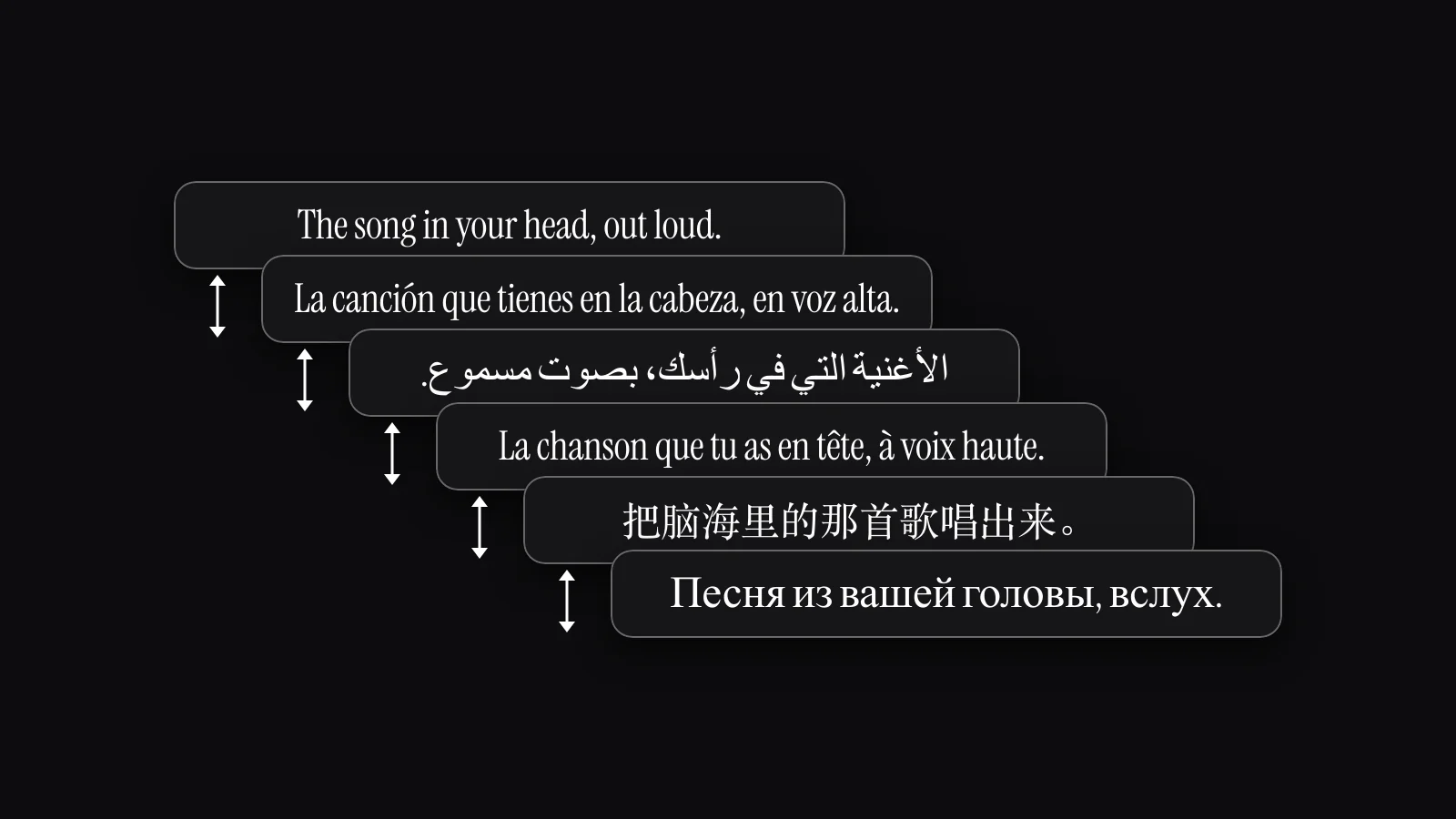
The web app now shows in your language, with nine to choose from besides English. Notifications have also arrived on the web.
Engineering
A faster web app: pages now arrive ready to use
We rebuilt the Mozart web app so pages are rendered on our servers. Navigation, the Library, Credits and song pages load faster.