A day at TYX Studios: what our first songwriting camp taught us
On 6 June 2026, London producers, rappers and songwriters spent a day making music with Mozart Studio. Here is what happened and what we learned.
By Mozart Team3 min read
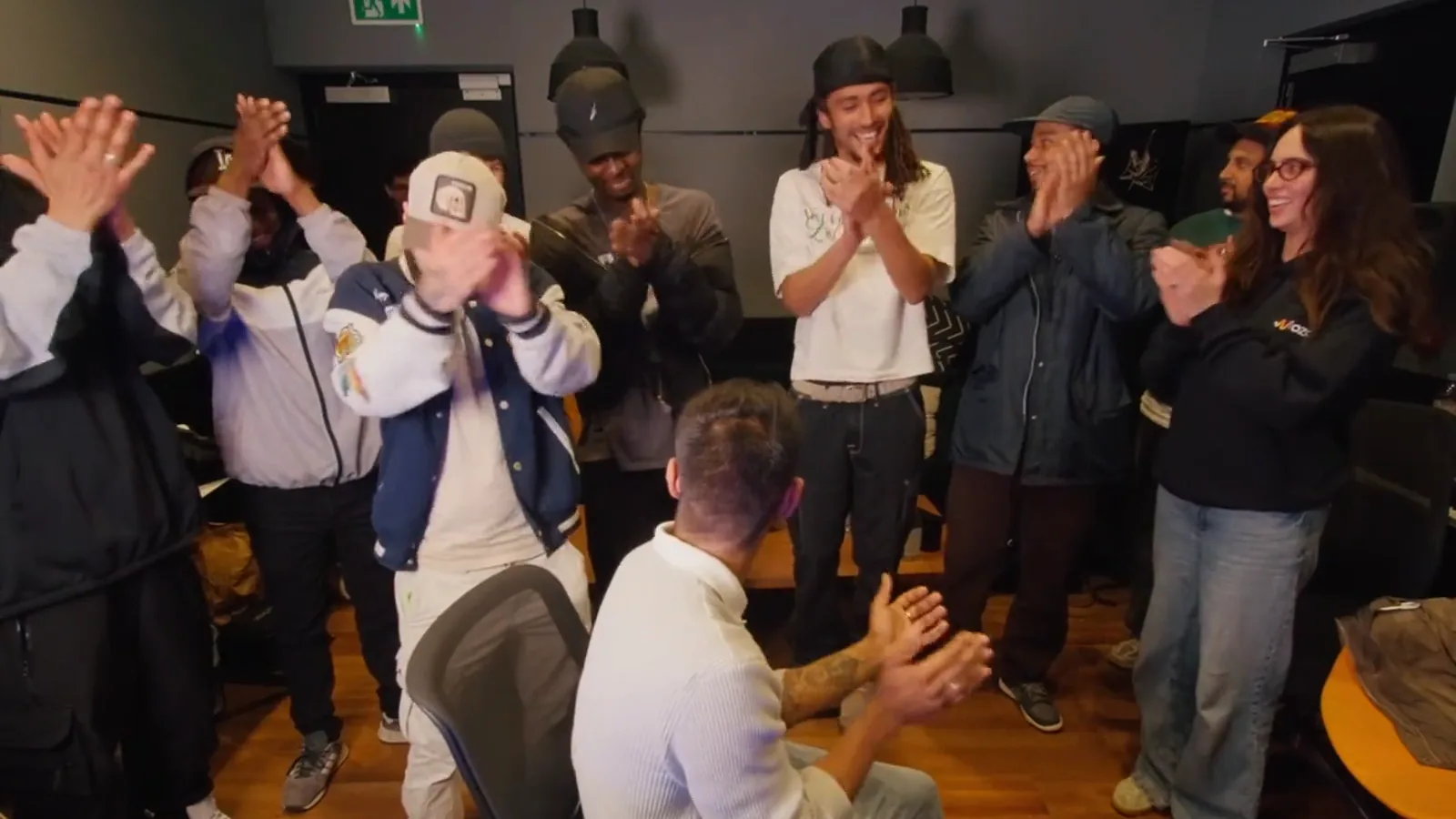
On Saturday 6 June 2026 we held our first songwriting camp at TYX Studios on Tileyard Road in King's Cross, London. A small group of producers, rappers and songwriters from the city's rap scene spent the day making music together, with Mozart Studio as part of their setup. People from our team sat in the rooms to watch, help and take notes.
What it was
A songwriting camp puts musicians in rooms together and asks them to leave with songs. Ours had two aims. The first was music: write and record original tracks for a UK rap mixtape that shows off London's sound. The second was learning: we wanted to watch working musicians use Mozart in real sessions and hear what they thought.
Nobody was asked to give up the tools they know. Everyone could bring their usual setup and use Studio alongside it, as the main workstation or as a place to try ideas.
How the day ran
The plan for the day was simple:
- Arrive at 10:30, set up, and go round the room with each person sharing a reference track they were into.
- A half-hour walkthrough of Studio.
- About an hour of hands-on time. Producers started beats, and artists picked the ones that spoke to them.
- Two blocks of writing sessions in separate rooms, with one artist loosely paired with one producer and the chance to swap partners for the second block.
- A final pass on the arrangements, then a group playback of everything recorded that day.
What we saw
- Sessions began with conversation. People talked about what they like, and producers played their beats to the artists, well before anyone opened a project.
- Producers reached for MIDI. They enjoyed playing parts in and recording them as part of the flow, and they valued turning a generated idea into MIDI they could edit and layer.
- Variations were the turning point. Once a producer had several versions of a part to choose from, ideas moved quickly. One kept reworking the same layer, adding a bass line and taking it out again later.
- Waiting broke the flow. Typing a prompt and waiting for the result pulled people out of the moment. They wanted to keep working while a generation ran.
- Two laptops needed one project. When two producers worked side by side, each on their own computer, they needed to share the same session.
- Lyrics stayed with the writers. The artists took pride in writing their own words and wanted to keep that part for themselves.
- Our names needed explaining. Even an experienced producer was unsure where to start with a new MIDI track, or what some of our instrument names meant.
Some people arrived cautious about how much AI they wanted in their music. That is a fair position, and it shaped how they used Studio: as one more instrument in the room, picked up when it helped.
What came out of it
The rooms produced enough material to keep going. A second recording day followed at the end of June, with two producers and three rappers, and by 29 June five demos were complete for the mixtape. At that point they still needed mixing and mastering.
What came next
Three things the rooms asked for have shipped since:
- Real-time collaboration arrived in beta on 17 July 2026, so two people can work in one project from two computers.
- Since 20 August 2026, Studio runs several AI jobs at once, so you can keep editing while a generation finishes.
- Cover launched on 4 September 2026. It turns a recording you make into a fully produced song, which suits writers who start from their own voice and their own words.
We are grateful to everyone who gave us a Saturday, played us their music and told us plainly what worked and what did not.
Put your next idea into music.
Bring a brief, a melody or a new direction to Mozart.
Create with MozartKeep reading
Engineering
A Unified Audio Engine
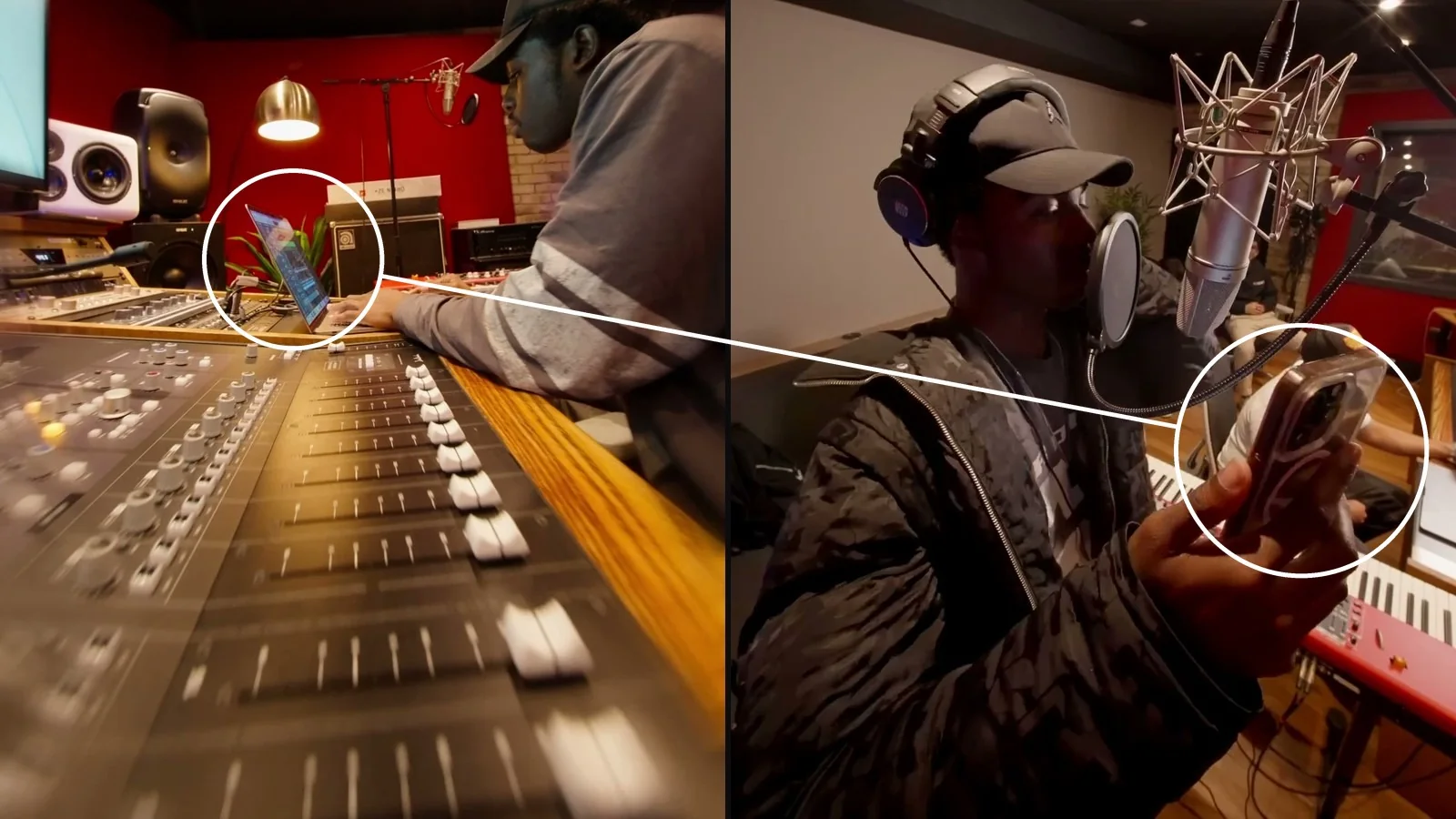
Mozart's audio engine is one C++ codebase that runs as WebAssembly in the browser, natively in Scout and natively on iPhone.
Product
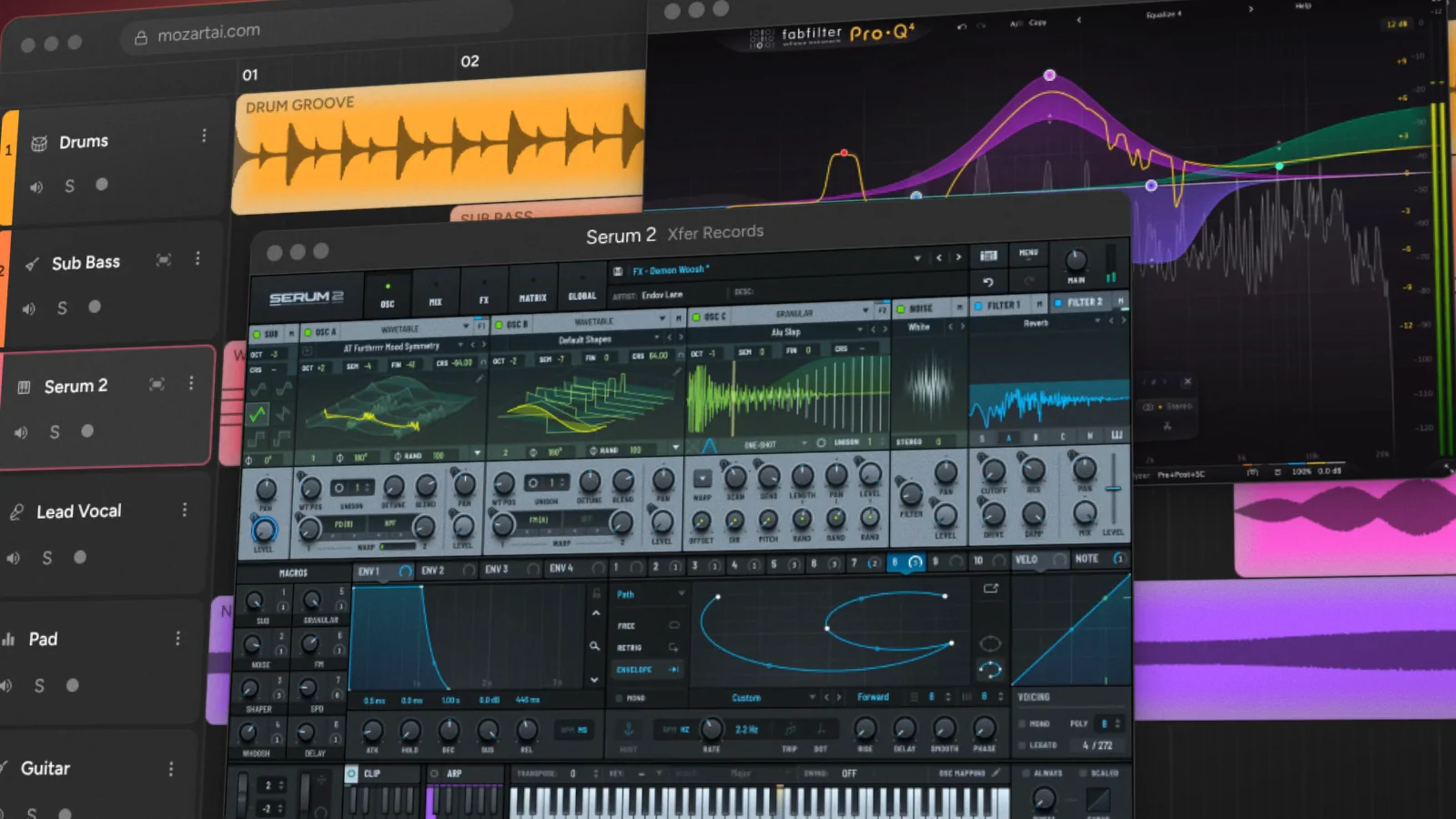
Studio 1.0 and Scout: your plugins in the browser, with AI that can use them
Studio 1.0 is a generative audio workstation in the browser. Scout connects the instrument and effect plugins on your computer to it.
Product
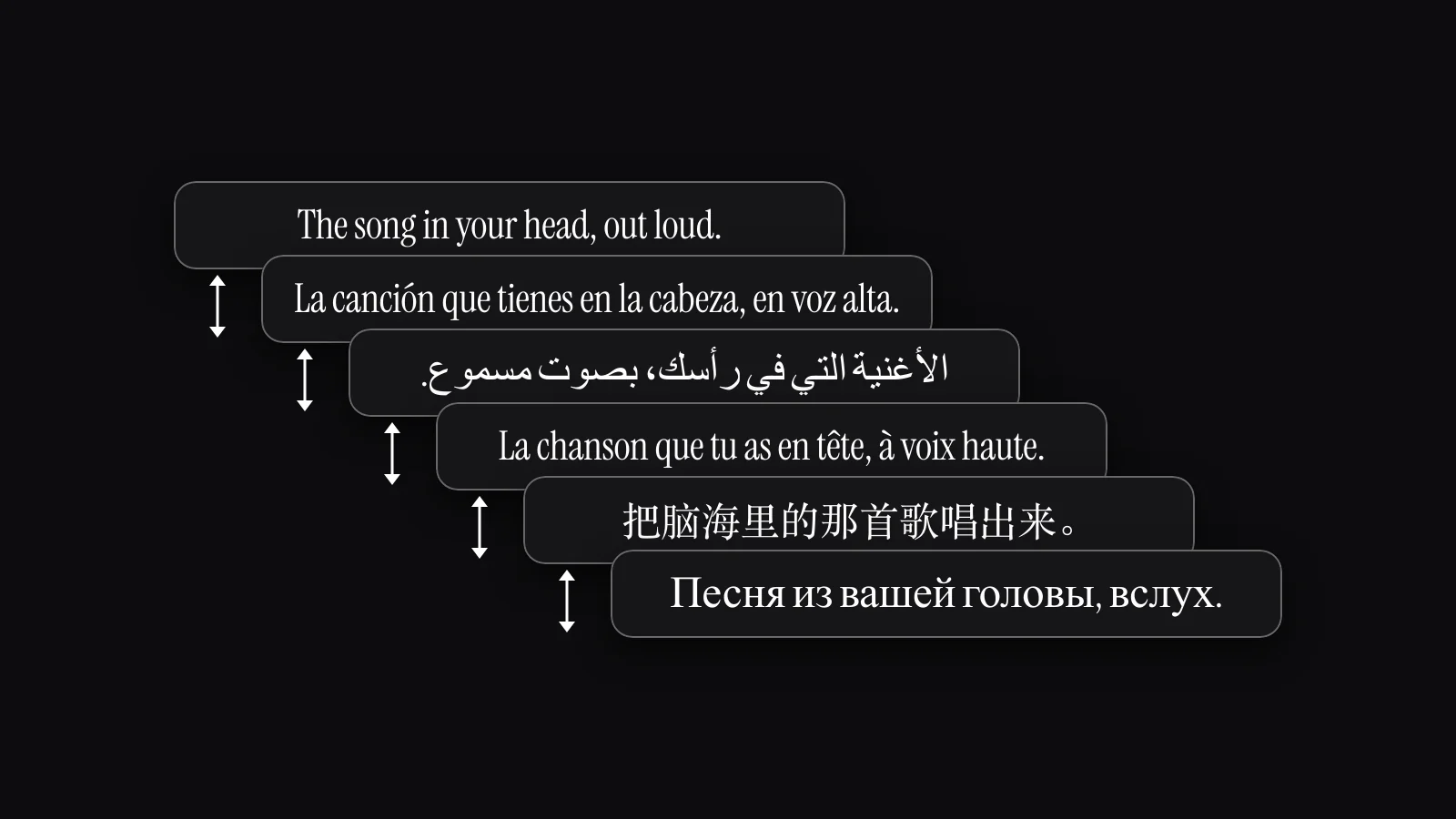
Mozart on the web in nine more languages, with notifications in your browser
The web app now shows in your language, with nine to choose from besides English. Notifications have also arrived on the web.